Seasonal Garden Maintenance
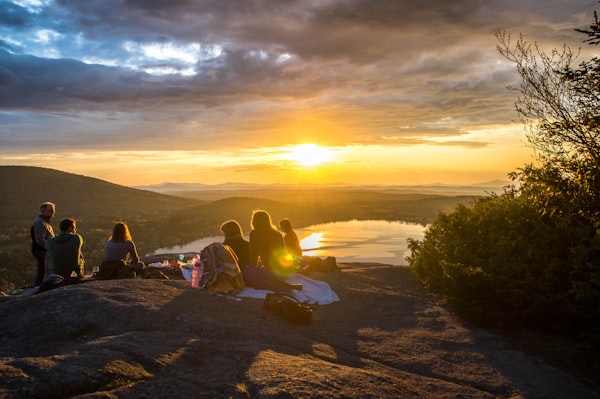
Comprehensive visits that adjust to current garden conditions. We handle weeding, feeding, deadheading, pest monitoring, and general health checks. Each visit responds to what your garden needs at that specific time rather than following a predetermined task list.
Frequency recommendations depend on garden size, plant density, and seasonal growth rates. Most gardens benefit from fortnightly visits during peak growing season, reducing to monthly during dormant periods.
Expert Pruning & Shaping
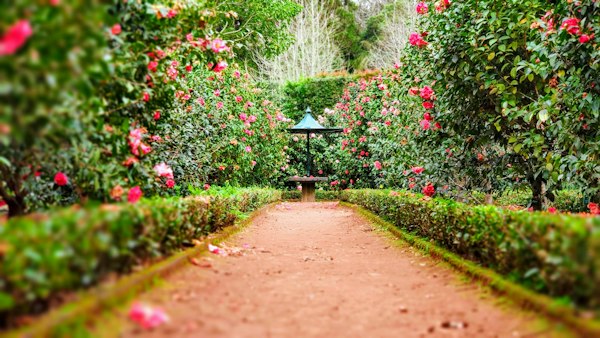
Strategic cutting that improves plant structure, encourages flowering, and maintains desired shapes. We prune according to species-specific requirements and optimal timing rather than cosmetic preferences alone.
Different plants need pruning at different times. Spring-flowering shrubs get cut after blooming. Summer flowerers are pruned in late winter. Evergreens receive minimal intervention to maintain natural form.
Lawn Care & Restoration
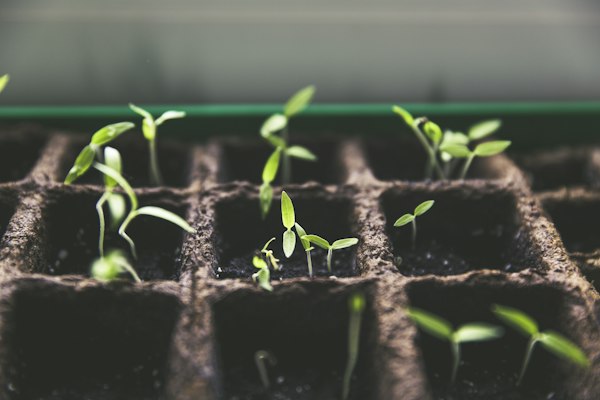
Targeted treatments that address specific lawn problems. Scarification removes thatch buildup. Aeration improves drainage and root development. Overseeding fills bare patches. Feeding programmes provide nutrients based on soil testing rather than guesswork.
We assess lawn condition before recommending treatments. Some lawns need aggressive renovation. Others benefit from light maintenance. Our approach depends entirely on current state.

Planting Design & Installation
Species selection and placement based on site analysis. We consider soil type, drainage patterns, light levels throughout the day, exposure to wind, and how much maintenance you want to commit to long-term.
Plant choices should suit the location rather than force unsuitable species into difficult conditions. This produces better results with less intervention over time.
Border Renovation
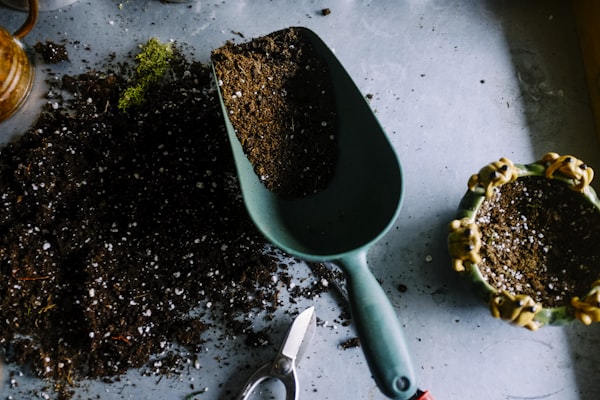
Complete overhaul of borders that stopped performing. This includes soil improvement, removal of failing plants, structural adjustments, and replanting with species better suited to conditions.
Some borders fail because soil became depleted. Others suffer from poor drainage or excessive shade as trees matured. We diagnose underlying problems before proposing solutions.
Not sure which service fits your situation?
Discuss your requirements